
How to Choose the Best Industrial Pallet Racks for Your Needs?

Time:2026-08-25 Author:Mason
0%

Choosing the best industrial pallet racks is crucial for optimizing storage space. These racks come in various types, including selective, drive-in, and push-back options. Each type has its advantages, depending on your specific needs. It's essential to assess your inventory size and weight to select the right design.

Understanding the layout of your warehouse is another key factor. Measurements and accessibility matter when deciding on industrial pallet racks. You may find that certain styles fit better in tight spaces. Conducting a thorough analysis can prevent costly errors and improve efficiency.

While many guides exist, approaching this decision may still feel overwhelming. Evaluate your experience with storage systems. Sometimes, relying on suppliers or industry experts can provide insights you might overlook. Progress often comes through refining and adapting your choices over time.
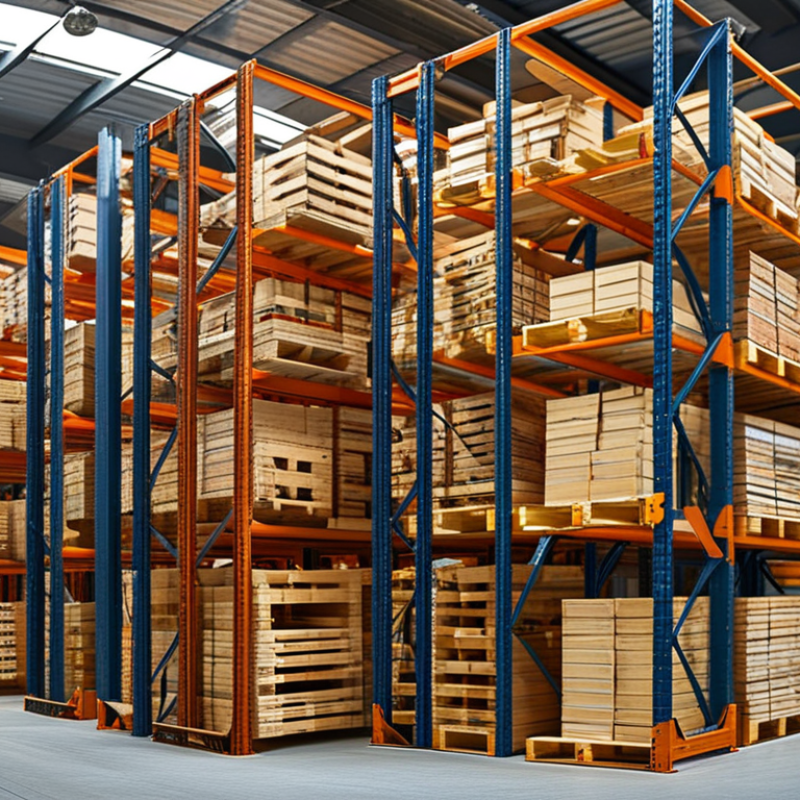
How to Choose the Best Industrial Pallet Racks for Your Needs?

Understanding Different Types of Industrial Pallet Racks Available

When selecting industrial pallet racks, understanding the various types is crucial. There are selective, drive-in, and push-back racks, among others. Selective racks are versatile and easy to access. They work well for warehouses with a diverse range of goods. Drive-in racks offer high-density storage, utilizing space efficiently. However, they can be challenging to navigate and may complicate inventory flow.

Push-back racks maximize storage without sacrificing accessibility. They allow for storing multiple pallets deep while still maintaining easy access. Nevertheless, this design requires careful planning to avoid congestion. Different types serve unique needs, making it important to evaluate your inventory and space.

Evaluating the weight capacity and dimensions of your products helps narrow your options. Not all racks are suitable for heavy or oversized items. It's essential to think about the physical layout of your warehouse as well. Consider aisle widths and loading areas. Sometimes, the best solution can lead to unexpected challenges, such as equipment compatibility, necessitating further reflection on your storage strategy.

Assessing Your Space and Load Capacity Requirements for Racking Systems

Choosing the right pallet racks begins with a thorough assessment of your space and load capacity. Consider the height and width of your warehouse. Be mindful of the layout. It’s essential to leave space for operations and safety. Measure your space accurately to avoid miscalculations.
When it comes to load capacity, understand the weight of your products. Each rack type has specific limits. Ensure the racking system can handle both the weight and size of your inventory. This step is crucial to prevent accidents and damage.
Check for flexibility in rack systems. Decide if you need adjustable shelves or fixed configurations. This adaptability can help you meet changing demands. Create a balance between maximizing storage and maintaining accessibility. Sometimes, the perfect solution is not the most obvious one. Reflecting on past experiences can guide better decisions in the future.

Evaluating Material and Durability Factors in Pallet Rack Selection

When selecting industrial pallet racks, material and durability are critical factors to consider. According to a report from the Material Handling Industry Association, over 80% of warehouse accidents stem from poor equipment choices. A pallet rack's design must support the materials it will hold and withstand environmental conditions. Steel is often preferred, as it offers superior strength and longevity compared to wood or aluminum options.

Tip: Inspect the load ratings before purchasing. Every rack has a specific weight limit. Ignoring these limits can lead to dangerous collapses.

Durability is often linked to the rack's construction. Rigid designs with heavy gauge steel are less prone to bending or deformation. Corrosion resistance is also essential. In humid environments, choosing racks with protective coatings can prolong lifespan significantly. A study by the Rack Manufacturers Institute indicates that properly maintained racks can last over 10 years.

Tip: Regularly check connections and bolts. Loose parts can compromise stability, inviting potential hazards to your workspace.

Ultimately, while price is an important factor, it shouldn't override considerations of material strength and durability. Ensuring that your pallet racks will withstand the rigors of your specific environment is crucial for maximizing safety and efficiency in your warehouse operations.

Considering Safety Standards and Compliance for Warehouse Racks

When selecting industrial pallet racks, safety standards and compliance are crucial. Understanding local regulations shapes your purchasing decisions. Each warehouse may have unique requirements. It’s essential to assess the load capacity and dimensions of each rack. This ensures they fit safely into the available space.

Consider the materials used in pallet racks. Steel is common due to its durability, yet not all steel is equal. Some racks may have coatings that could affect safety. Rust or wear can compromise the integrity of your storage system. Regular inspections are important to maintain compliance. Depending on your industry, you might need to adhere to specific safety certifications.

Training staff about safety protocols is vital. Employees must understand the proper loading techniques. Poor practices can lead to accidents. Regular safety drills can reinforce this knowledge. Maintain clear signage about weight limits and loading procedures. Over time, reflecting on your practices will highlight areas for improvement. Ensure your team knows that safety is a shared responsibility.

Budgeting and Cost Analysis for Industrial Pallet Rack Investment

When considering industrial pallet racks, budgeting and cost analysis are crucial. A recent industry report indicates that effective pallet rack systems can reduce operational costs by up to 30%. This statistic emphasizes the importance of upfront investment in quality solutions. Analyzing total cost of ownership helps in understanding the long-term benefits of pallet racks. You must evaluate initial costs against potential savings.

When calculating your budget, include installation costs, maintenance, and potential repairs. The average lifespan of high-quality racking systems is around 10 to 20 years. Investing in robust materials may seem costly initially but ensures durability and safety. Neglecting to consider future needs can lead to additional expenses. Flexibility in design can accommodate growth and prevent costly overhauls.

Finally, examining the ROI from efficient space utilization is key. Allocating space effectively can increase productivity. A study published by a leading logistics association showed that optimized storage solutions led to a 25% increase in inventory accuracy. Such improvements affirm that a thoughtful investment in pallet racks pays dividends beyond mere cost savings. Balancing immediate costs with long-term gains is vital in making informed decisions for any warehouse.

FAQS

: What are the main types of industrial pallet racks?

: The main types include selective, drive-in, and push-back racks, each serving unique storage needs.

Why are selective racks beneficial?

Selective racks are versatile and easy to access, ideal for diverse inventories in warehouses.

What is the advantage of drive-in racks?

Drive-in racks provide high-density storage, maximizing space but can complicate navigation and inventory flow.

How do push-back racks work?

Push-back racks allow deep storage of multiple pallets while ensuring accessibility, but require careful planning.

What factors should I assess before choosing pallet racks?

Consider the weight, size of products, warehouse dimensions, and safety space for operations.

Why is load capacity important for racking systems?

Load capacity prevents accidents and damage, ensuring the racks handle the weight and size of inventory.

How can the flexibility of racks benefit my operations?

Adjustable shelves provide adaptability to meet changing demands, balancing storage needs with accessibility.

What role do safety standards play in selecting racks?

Safety standards ensure compliance with regulations, directly impacting the safety and integrity of the storage system.

What materials should I consider for pallet racks?

Durable materials, like quality steel, are essential; some coatings can affect safety and require regular inspection.

Why is staff training on safety protocols important?

Training employees on proper loading techniques helps prevent accidents and reinforces safety as a shared responsibility.

Conclusion

Choosing the best industrial pallet racks requires a comprehensive understanding of the various types available, as well as an assessment of your specific space and load capacity requirements. It's essential to evaluate the material and durability factors when selecting pallet racks to ensure they can withstand the demands of your warehouse environment.

Safety standards and compliance are crucial considerations in the selection process, as they help protect both the products stored and personnel operating in the warehouse. Additionally, a thorough budgeting and cost analysis will help you determine the right investment for your business, ensuring that you choose industrial pallet racks that offer optimal efficiency and support for your operational needs.

Mason

Mason

Mason is a seasoned marketing professional with a deep expertise in the company's offerings and a passion for driving brand awareness. With a strong background in digital marketing strategies, he has an innate ability to connect with diverse audiences and effectively communicate product benefits.......