
Pallet warehouse racking is a vital system used in storage facilities. It helps businesses maximize their storage space effectively. With the increasing demand for efficient inventory management, this racking solution has become essential.
Understanding pallet warehouse racking requires insight into its structure and function. This system consists of vertical frames and horizontal beams. Such a design allows for easy access to goods. It supports heavy pallets and optimizes storage density. However, not all racking systems are the same. Some may not meet safety standards or could be inefficient for specific items.
Choosing the right pallet warehouse racking can be challenging. Businesses need to consider their product types and storage needs. Misjudging these factors can lead to operational inefficiencies. Therefore, it’s crucial to seek expert advice when selecting a racking solution. Ultimately, ensuring safety and efficiency is every warehouse manager's goal.
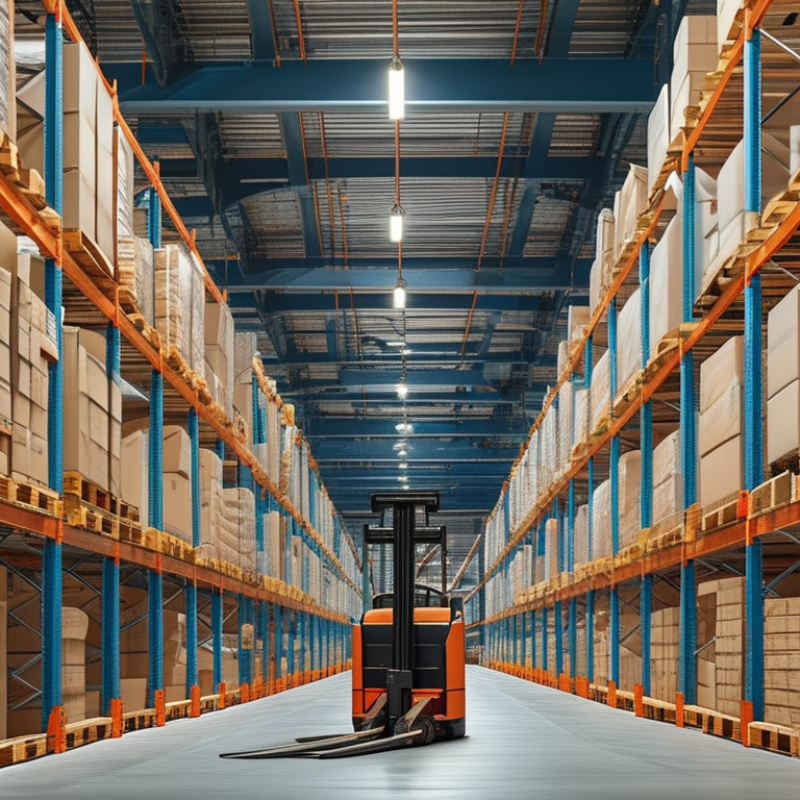
Pallet warehouse racking is a critical component in modern logistics and inventory management. This system involves the use of metal racks to store goods on pallets, allowing for efficient access and maximizing storage space. According to the Warehousing Education and Research Council, over 70% of warehouses utilize pallet racking due to its versatility and reliability.
These racking systems have various styles, such as selective, drive-in, and push-back racking. Each style caters to different storage needs and access levels. Selective racking, for instance, provides direct access to every pallet but may occupy more floor space. Drive-in racking offers high-density storage by allowing fork trucks to enter the rack, but it limits access to only the front pallets. This trade-off between storage density and accessibility is often a point of reflection for warehouse managers.
Pallet racking can significantly improve warehouse operations, yet it's crucial to ensure proper installation and maintenance. Poorly designed systems can lead to accidents or space inefficiencies. Reports indicate that improper installations contribute to approximately 25% of warehouse accidents. Investing in training and regular systems audits can promote safety and efficiency, ensuring that operations run smoothly.
This chart displays the utilization rates of various pallet warehouse racking systems, highlighting the efficiency of storage solutions in a typical warehouse environment.
Pallet racking systems are essential in storage solutions. They allow warehouses to maximize vertical space. There are several types of pallet racking systems available, each designed for specific needs.
Selective pallet racking is the most common type. It provides direct access to every pallet. This design is great for warehouses with a diverse range of products. However, it can result in space inefficiencies. In high-density storage, drive-in and drive-through racks may be more suitable. These systems allow for deeper storage but limit access to pallets.
Another popular choice is the double deep racking system. This increases storage density by allowing two pallets deep. While it maximizes space, it may complicate inventory management. Choosing the right racking system depends on your warehouse layout and intended use. Each type has pros and cons, often requiring careful consideration. Understanding these differences can enhance operational efficiency and reduce costs long-term.
Pallet racking is essential for warehouse efficiency. It allows vertical storage of goods, maximizing available space. Reports indicate that effective pallet racking can increase warehouse storage capacity by up to 50%. This efficiency reduces the time workers spend locating items, leading to quicker turnaround times.
Implementing a well-designed pallet racking system can enhance inventory management. Automated tools can track stock levels in real-time. A study found that warehouses with organized racking systems experienced a 30% increase in picking accuracy. This directly impacts customer satisfaction and lowers operational costs.
Maintaining your racking system is crucial. Regular inspections help identify potential safety hazards. Training staff to properly use the system can prevent accidents and structural damage. These practices ensure smooth operations, boosting overall productivity. Accurate inventory records can lead to more strategic warehouse decisions, allowing for better resource allocation.
Pallet racking systems are essential for efficient warehouse storage. They allow warehouses to maximize space and improve accessibility. Each system comprises several key components, which together ensure effective organization and safety.
The primary component is the vertical frame. This structure supports the entire racking system. It’s usually made of robust steel, designed to handle heavy weights. Beams are connected to these frames, forming horizontal levels for pallets. These beams can vary in length to accommodate different pallet sizes. A section of the racking system is often dedicated to specialized pallets or materials.
Another crucial component is the decking. This creates a flat surface for pallets and prevents them from tipping. Wire mesh or particle board is often used for decking. Safety features also play a vital role. Safety pins and locking mechanisms keep the beams secure. They help prevent accidents from pallet collapse. Improper installation may lead to failures, highlighting the importance of following guidelines. Regular maintenance is necessary too. Checking for wear and tear can prevent larger issues down the line.
Pallet racking systems are essential for effective warehouse management. Their installation demands precision and adherence to safety regulations. An average warehouse can increase storage efficiency by up to 30% with proper racking setups. Therefore, understanding the correct installation process is crucial.
When installing pallet racking, consider the layout of your warehouse. Each aisle needs enough width for equipment movement. Many reports suggest a recommended minimum aisle width of 8 to 12 feet. Moreover, the surface under the racking should be level and strong to support heavy loads. Structural integrity is vital to prevent potential accidents.
Maintenance of pallet racking is often overlooked. Regular inspections help ensure safety and longevity. The Occupational Safety and Health Administration (OSHA) recommends a thorough inspection every three months. Check for signs of damage, such as bent beams or loose connections. Failure to maintain racking can lead to costly accidents or downtime. A proactive maintenance approach can enhance warehouse safety and operational efficiency, ultimately benefiting the bottom line.
: Pallet warehouse racking uses metal racks to store goods on pallets. It improves access and maximizes storage space.
Over 70% of warehouses use pallet racking. It’s versatile and reliable for efficient inventory management.
There are selective, drive-in, push-back, and double deep racking systems. Each serves specific storage needs.
Selective pallet racking offers direct access to each pallet. It suits diverse product ranges but may waste space.
Drive-in racking provides high-density storage. However, it only allows access to front pallets, limiting flexibility.
Double deep racking increases storage density. Yet, it complicates inventory management and access to goods.
Poorly installed racking can cause accidents and reduce efficiency. About 25% of warehouse accidents result from these issues.
Regular maintenance prevents inefficiencies and accidents. Training and audits help keep operations running smoothly.
Choosing the right racking influences layout and efficiency. Each type offers different benefits; careful consideration is vital.
Reflect on the balance between storage density and access. The choice affects operational costs and management ease.
Pallet warehouse racking is an essential storage solution designed to optimize space in warehouses by allowing efficient organization and easy retrieval of goods. Various types of pallet racking systems, such as selective, drive-in, and push-back, cater to different storage needs and warehouse layouts. By implementing pallet racking, businesses can significantly enhance warehouse efficiency, as the systems facilitate better inventory management and faster order fulfillment.
The key components of pallet racking systems include vertical frames, horizontal beams, and load supports, which work together to ensure stability and safety. Proper installation and regular maintenance are crucial to maximizing the lifespan and functionality of these systems. Understanding these aspects of pallet warehouse racking enables warehouse managers to create a more streamlined and productive storage environment.
